The Advantages of Heat Treatment for Bed Bugs: Why It's the Top Choice
Bed bug outbreaks create considerable obstacles for property owners and tenants alike. Standard treatments commonly come up short, causing recurring procedures and continuing issues. Heat therapy, however, proves to be an effective option. By utilizing intense heat, it thoroughly addresses all developmental stages of bed bugs. This approach not only ensures complete elimination but also reduces the health hazards linked to chemical treatments. The implications of this approach warrant closer copyrightination. What positions heat treatment as the favored solution for numerous individuals?
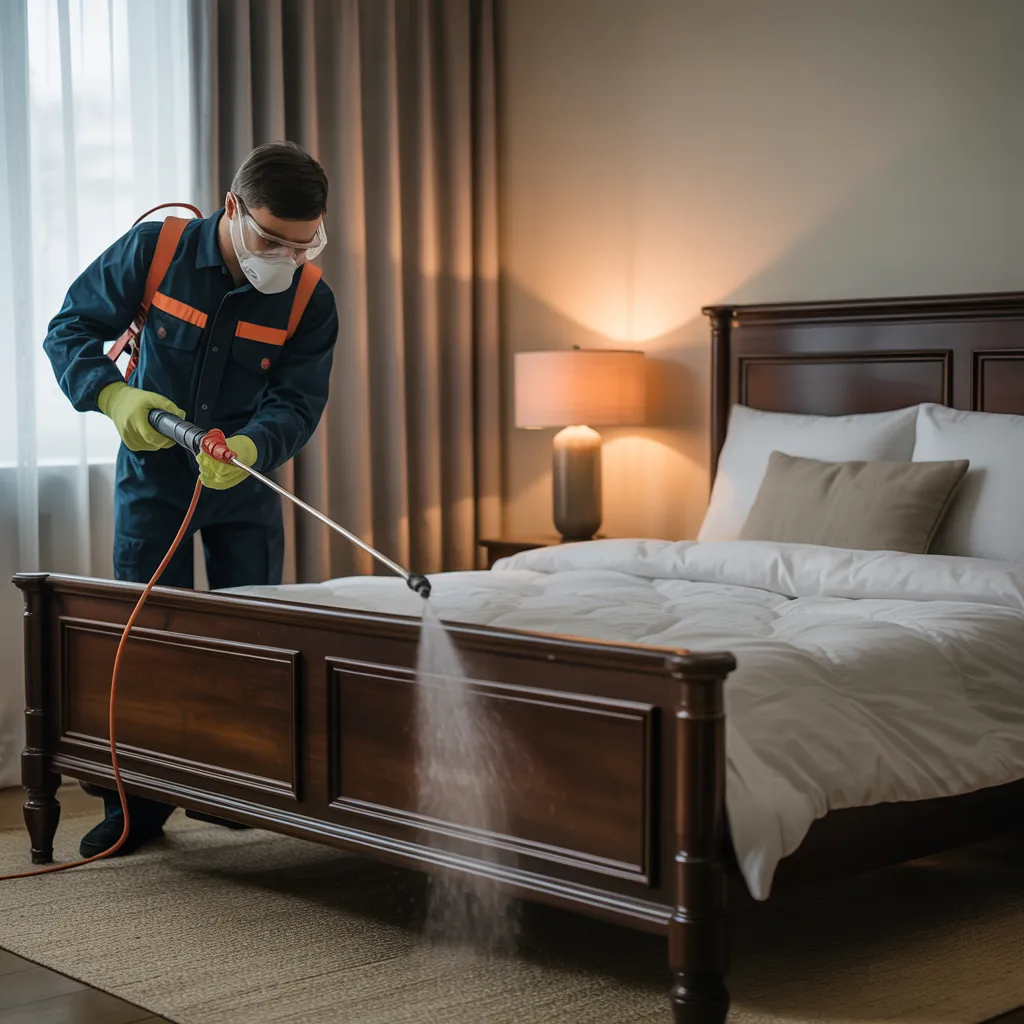
Why Bed Bug Infestations Continue to Be a Growing Concern
As urban populations expand and international travel increases, bed bug infestations have emerged as a serious issue for communities around the world. These troublesome creatures, known for their resilience and ability to reproduce quickly, present significant challenges for homeowners and pest management experts alike. In contrast to many common household pests, bed bugs make no distinctions; they can infiltrate upscale hotels, modest homes, and public transport alike. Having them present can result in emotional distress, monetary hardships, and damaged reputations for businesses.
In addition, the stigma associated with bed bugs adds further complexity to the issue, often resulting in societal exclusion for impacted individuals. With traditional extermination methods sometimes proving ineffective, the need for effective solutions increases. The ongoing increase in international travel and metropolitan living amplifies the possibility of bed bug infestations expanding, warranting immediate attention from property owners and public health officials alike. Comprehending the causes behind this increasing problem is essential for developing successful prevention approaches.
How Does Heat Treatment Eliminate Bed Bugs?
Heat treatment effectively eradicates bed bugs by subjecting them to temperatures surpassing 120°F (49°C). This high temperature disrupts the natural processes of the pests, causing their demise at all life stages, including eggs, nymphs, and adults. The temperature is meticulously regulated, guaranteeing that warmth reaches all areas where bed bugs may hide, such as mattresses, furniture, and cracks in walls.
As heat levels climb, bed bugs and their eggs are unable to adapt or build resistance, making heat treatment a highly effective method. This approach also does away with the use of chemical insecticides, limiting exposure to potentially toxic materials. Moreover, heat treatment has the ability to access difficult areas where conventional approaches may fall short, guaranteeing a complete elimination of the infestation. This procedure generally requires several hours, allowing sufficient time for the heat to permeate the infested spaces thoroughly.
Essential Advantages of Using Heat Treatment to Exterminate Bed Bugs
Heat treatment provides numerous notable benefits for eradicating bed bugs. This is a detailed resource chemical-free approach that guarantees safety for occupants and the surrounding environment, while also delivering a fast and reliable remedy. Furthermore, heat treatment provides enduring outcomes, decreasing the probability of recurring infestations.
Safe and Natural Removal Technique
Employing heat treatment proves to be a particularly powerful and toxin-free method for eradicating bed bugs. This technique leverages high temperatures, typically between 120°F and 140°F, to destroy both adult bed bugs and their eggs without the use of harmful chemicals. As a result, households benefit from a safer environment, lowering the risk of exposure to harmful chemicals often associated with traditional pest control methods. Additionally, heat treatment is ideal for sensitive populations, such as children and pets, who may be negatively impacted by chemical treatments. This method also reduces the potential for chemical resistance, a common issue with insecticides. Overall, heat treatment emerges as a trusted, green solution for those seeking an effective way to combat bed bug infestations.
Rapid and Effective Treatment
Using heat treatment offers significant benefits for people experiencing bed bug infestations. One of the primary benefits is its speed; sessions can generally be wrapped up in just hours, enabling people to get back to their homes promptly. In contrast to conventional approaches that often need repeated treatments, heat treatment effectively targets all life stages of bed bugs in a single session. Intense temperatures work their way into furniture, walls, and otherwise inaccessible spots, providing comprehensive removal of all bed bugs. Moreover, the impact on day-to-day activities is minimal, as inhabitants usually only have to be absent for a short time during the process. Beyond saving time, this approach offers instant relief from the anxiety and unease that come with bed bug problems.
Long-Lasting Results
One of the key advantages of heat treatment for bed bugs is its ability to deliver long-lasting results. Compared to standard treatments, which may need several treatments, heat treatment thoroughly destroys all life stages of bed bugs in a single session. By elevating temperatures to fatal degrees, it ensures that both adult bugs and their eggs are destroyed, considerably lowering the likelihood of re-infestation. Additionally, heat reaches deep within cracks, crevices, and even furniture, where bed bugs often shelter, improving its overall impact. This all-encompassing approach not only tackles current pest problems but also helps prevent future outbreaks. Homeowners can feel confident, knowing that their living spaces are free from these pests for an extended period, making heat treatment the top option for lasting relief.
The Way Heat Treatment Targets All Life Stages of Bed Bugs
Although bed bugs tend to be hardy pests, heat treatment effectively targets all developmental stages of bed bugs, including eggs, nymphs, and adults. This method involves elevating the heat levels in infested rooms to between 120°F and 140°F, which is fatal for bed bugs. These elevated temperatures reach into furniture, carpets, and walls, ensuring thorough coverage.
Exposure to heat destroys the protein structure of bed bugs, causing their death. Bed bug eggs, frequently concealed in cracks and crevices, are notably at risk; exposure to sustained heat prevents them from hatching. Furthermore, nymphs and adults, which can survive long periods without feeding, are likewise destroyed upon exposure to sustained heat.
This method not only eliminates visible bed bug colonies but also targets unseen colonies. By thoroughly disrupting the complete bed bug life cycle, heat treatment serves as a highly effective solution, providing both immediate and long-lasting relief from these persistent pests.
What Takes Place When You Receive Heat Treatment?
When preparing for heat treatment for bed bugs, preparation is essential to guarantee effectiveness and safety. The process entails carefully applying high temperatures to eliminate all life stages of the pests. After the treatment is complete, certain safety protocols must be adhered to to maintain a pest-free environment.
Heat Treatment Preparation
Proper preparation is essential for a effective heat treatment against bed bugs. In advance of the treatment, homeowners should remove all items from closets, drawers, and under beds to create a clear path for heat penetration. Clothes, bedding, and linens should be washed in hot water and dried on high heat to eliminate any existing bed bugs. In addition, personal items like electronic devices and valuable belongings must be moved to a safe location, as extreme temperatures may damage them. Household pets should be transferred to a safe area during the treatment. To conclude, it is important to ensure that the property is easily reachable, with doors and windows thoroughly sealed to maximize the efficiency of the heat treatment process. Adequate preparation paves the way for effective elimination.
Method of Heat Application
Following careful preparation, the heat remediation process starts with the use of advanced equipment engineered to raise the indoor temperature to temperatures deadly for bed bugs. Professionals strategically arrange heaters across the impacted area to achieve even heat distribution. The temperature is generally raised to between 120°F and 140°F, held for a determined length of time to thoroughly destroy all stages of bed bug life, including eggs. Constant monitoring is carried out using thermal infrared thermometers to confirm that temperatures reach and maintain the required levels. Fans may additionally be utilized to promote better air circulation, allowing heat to penetrate into hidden crevices. This meticulous approach guarantees that every corner of the environment is treated, optimizing the treatment's efficiency against these stubborn pests.
Safety Measures After Treatment
Once the heat treatment process for bed bugs is finished, it is important for occupants to follow specific guidelines to secure a safe re-entry into the treated space. First, residents should wait for the pest management experts to verify that the environment is safe. When re-entering, it is advisable to thoroughly inspect the area for any lingering evidence of bed bugs. All items that were removed during the treatment process should be returned with care, making certain they are clean and free from pests. In addition, individuals should refrain from placing any belongings on the floor for several days to reduce the possibility of re-infestation. Observing these safety measures ensures the success of the treatment and supports a pest-free living space.
Heat Treatment vs Other Bed Bug Solutions
A wide range of pest control methods are available for tackling bed bug problems, all of which come with their own benefits and drawbacks. Chemical-based treatments, as an copyrightple, have the potential to be effective but frequently necessitate several applications and may pose health risks to humans and pets. Moreover, certain pesticides may lose their effectiveness as bed bugs build up resistance, reducing their potency as time goes on.
On the other hand, heat treatment requires elevating the temperature of infested spaces to a lethal level for bed bugs, ensuring thorough extermination without the use of dangerous chemical agents. This approach has the ability to access hard-to-reach spots such as furniture cracks and mattress seams, offering a complete solution in a single treatment session.
Although steam treatments and vacuuming may help in controlling bed bugs, they often lack the efficacy and permanence of heat treatment. Altogether, heat treatment proves to be a preventative and environmentally responsible choice, making it a preferred choice for many pest control professionals.
Frequently Asked Questions
Can Heat Treatment Be Used Safely Around Pets and Children?
Heat treatment is generally considered safe for pets and children when conducted properly. Diligent monitoring ensures that temperatures stay within safe boundaries, limiting any dangers while efficiently removing bed bugs from the affected area.
What Is the Duration of Heat Treatment Completion?
Heat treatment generally requires between six to eight hours to complete, according to the extent of the infestation and the overall size of the affected space. Proper monitoring guarantees effective elimination of bed bugs during this process.
Is My Furniture or Belongings at Risk of Damage from Heat Treatment?
Thermal treatment generally does not affect furniture or belongings, as it operates at precise temperature levels that eliminate bed bugs without creating any damage. That said, delicate items, like electronic devices, should be removed or protected during the procedure for precautionary purposes.
Is It Possible to Remain in My Home During Heat Treatment?
Throughout the heat treatment process, it is generally advised to exit the building for personal safety and treatment efficacy. High temperatures can create hazardous conditions, and keeping a safe distance ensures both your well-being and the best possible results in eradicating bed bugs.
How Can I Prepare for Heat Treatment?
Before undergoing heat treatment, occupants need to clear belongings from the treatment area, confirm all electrical devices are disconnected, and allow entry into infested spaces. In addition, laundering bedding and clothing is critical to a successful treatment.